How long does it take to make custom medals? A straightforward order often requires several weeks from complete artwork to delivery, but the real schedule depends on design complexity, proof revisions, quantity, finish, packaging and destination. Production time should be counted from final proof approval, not from the first inquiry.
The safest plan works backward from the event date and includes time for design decisions, a sample if needed, manufacturing, shipping, customs and an arrival buffer.

Typical custom medal workflow
| Stage | Main task | What can delay it |
|---|---|---|
| Brief and quotation | Confirm quantity, size, finish and deadline | Missing specifications or changing quantities |
| Artwork and proof | Convert ideas into production-ready design | Multiple stakeholders and late sponsor logos |
| Sample or mold | Create tooling and optional pre-production sample | Complex 3D sculpture or requested physical changes |
| Mass production | Cast, polish, plate, color and assemble | High complexity, many variants or seasonal capacity |
| Quality control | Inspect appearance, quantity and attachments | Rework after defects or specification mismatch |
| Packing and shipping | Protect, carton and deliver the order | Rush freight, customs, weather or remote destination |
Stage 1: Create a complete brief
Start with the event name, quantity, target delivery date, destination and budget. Then define the medal’s approximate size, preferred material, finish, color, ribbon and packaging. A reference photo is helpful, but mark which elements are inspiration and which are required.
If sponsor logos or final race dates are not ready, identify the decision deadline. Starting a design with temporary information often leads to repeated revisions.
Stage 2: Quotation and feasibility review
The manufacturer checks whether narrow lines, text, cutouts and 3D relief can be produced at the requested size. This is the right time to simplify fragile details and compare alternatives. A good quotation states what is included and how long the price remains valid.
Stage 3: Digital artwork and proof approval
The proof should show dimensions, metal levels, enamel colors, plating, front and back, ribbon and attachment. Review names, dates and spelling at 100% scale. Confirm Pantone references where brand color is important.
Assign one person to consolidate feedback. Separate messages from several committee members can create contradictory instructions and extend the schedule.
Stage 4: Tooling and optional sample
After approval, production artwork is converted into tooling. A 3D portrait or deep architectural scene may require additional modeling. Some orders proceed directly to mass production; others use a physical sample for critical events or unfamiliar finishes.
A sample improves confidence but adds time and shipping. Decide at the quotation stage whether it is required. Do not request a sample after mass production has already started.
Stage 5: Mass production
Depending on the design, production may include casting or stamping, trimming, polishing, plating, enamel filling, baking, printing, epoxy coating, engraving and attachment assembly. Each added process needs setup and inspection.
Orders with many individual names or multiple color variants require clear data and separation. Provide a final spreadsheet or approved list before production to avoid mismatched quantities.
Stage 6: Quality control
Inspection should check the approved size, finish, color placement, readable text, surface defects, ribbon assembly and packed quantity. For large orders, inspection may be performed during production and again before packing.
Ask for representative photos when appropriate, but remember that phone images and lighting do not perfectly reproduce metal color. The approved specification remains the primary reference.
Stage 7: Packing and delivery
Medals are normally packed to prevent metal surfaces from rubbing. Cartons should be labeled by design or award category when volunteers must distribute them quickly. Confirm the number of cartons, gross weight and tracking or freight documents.
International transit estimates are not guaranteed arrival dates. Customs review, peak-season congestion and severe weather can affect delivery even after the goods leave the factory.
How far in advance should you order?
- Simple local or stock-based award: ask about availability and delivery as early as possible.
- Standard custom medal: allow time for several weeks of proofing, production and freight.
- Complex 3D or premium packaging: begin earlier and consider a physical sample.
- Large marathon or multi-design series: plan months ahead so approvals and logistics have buffer.
These are planning principles, not fixed promises. Obtain a dated schedule for the exact project.
Five common causes of delay
- Artwork arrives incomplete or contains low-resolution logos.
- The event committee does not have one final approver.
- Quantity, size or finish changes after proof approval.
- A sample is added late in the process.
- The buyer plans to receive the medals on the event week with no buffer.
Can production be rushed?
Sometimes, but rush capacity depends on the process and current workload. Simplifying a design, using an available finish, choosing standard packaging and approving the proof quickly may help. Faster freight cannot recover days lost to unresolved artwork.
Frequently asked questions
When does production time officially begin?
Usually after the final artwork is approved and payment or order confirmation requirements are completed. Confirm this point with the supplier.
Should I wait for registration to close before ordering race medals?
Usually not. Use registration trends and a reasonable contingency quantity. Waiting for the final participant count can force rush production and expensive freight.
How much delivery buffer is sensible?
The answer depends on the event and route, but medals should arrive early enough to inspect, count and organize replacements before distribution.
Build a safer schedule
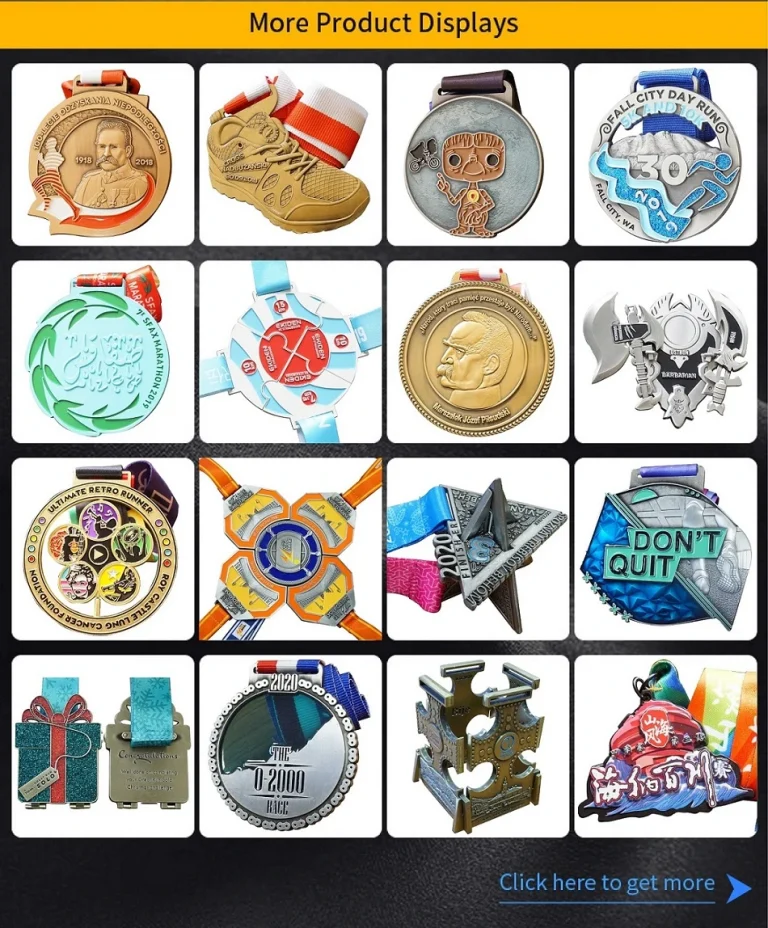
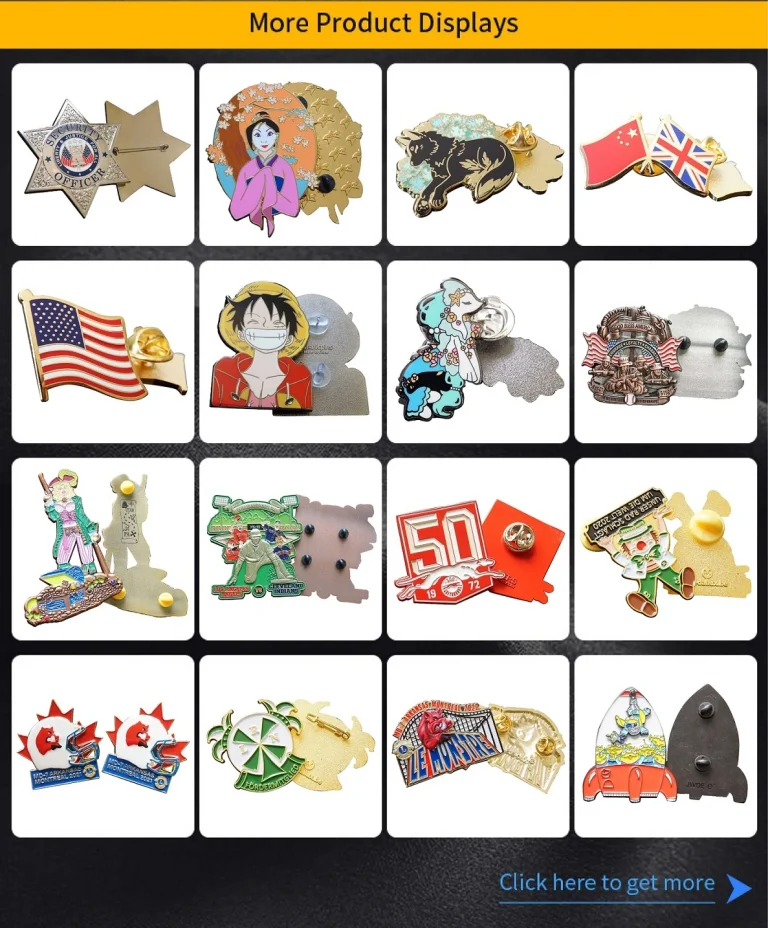
Send the event date, preferred arrival date and complete specification at the first inquiry. Review production examples in the catalog, then use the custom medal inquiry form to request a project-specific timeline.